A/c Peptide Screening Labs Third-party Peptide Analysis
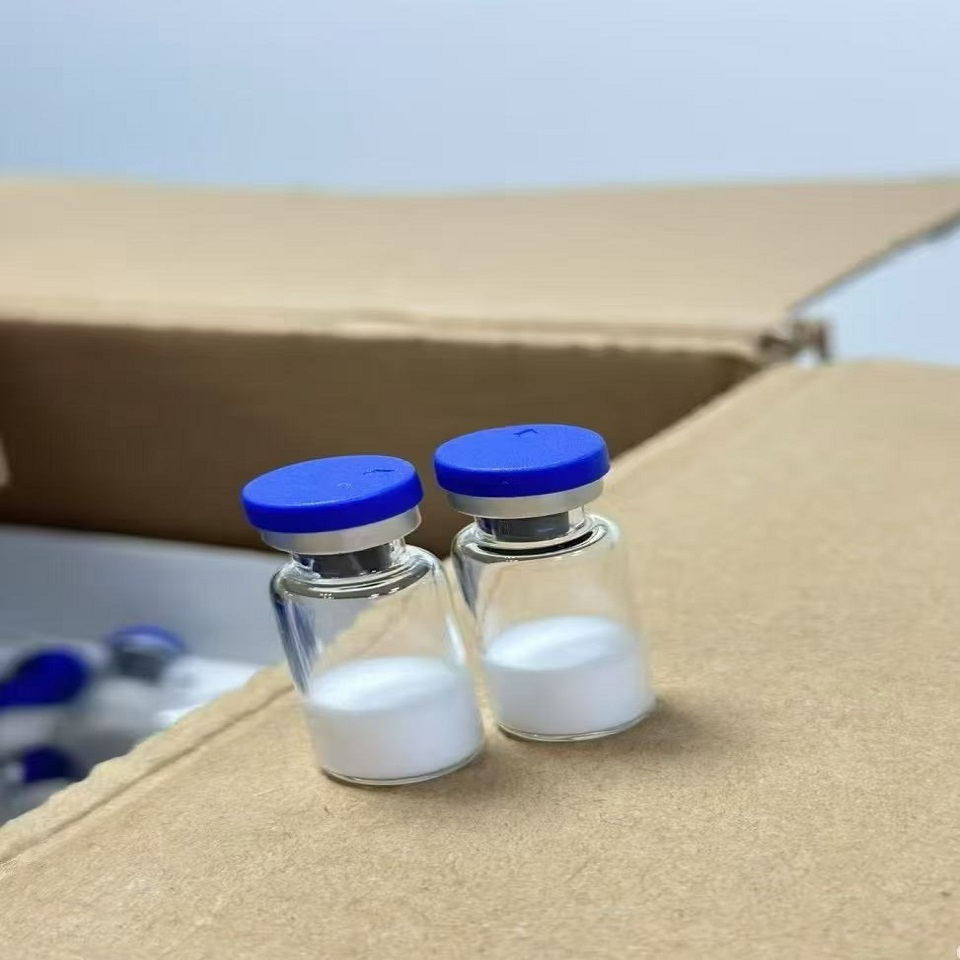
Every certificate in this library will be commissioned by us, for our stock, evaluated at a trustworthy US-based laboratory prior to anything ships. The appearance description notes the physical features of the peptide, usually referred to as a white to off-white lyophilized powder. Considerable deviations from this summary upon aesthetic assessment of your item warrant concern. Some newly examined batches have not yet been submitted to this COA page. We preserve historical COAs and can offer previous batch reports on request.Welcome To The Certification Of Analysis (coa) Web Page For Blend Peptides
She holds a BSc in Genes and a Master's in Public Wellness (MPH), with a concentrate on mitochondrial scientific research, metabolic health and wellness, and healthy aging. Chromatograms offer visual verification of purity and pollutant distribution, sustaining numerical pureness worths. Inner quality control is essential, however it does not eliminate predisposition. Independent testing gives an additional layer of confirmation.To make sure top quality, each set goes through rigorous screening to satisfy strict market criteria. Furthermore, we offer a Certification of Analysis (COA) for every single product to assure transparency. This essential paper verifies identity, pureness, and composition, ensuring researchers get reliable compounds for their researches. Grasping COA analysis represents an essential ability for any individual included with research peptides. The record serves as your key quality assurance device in a market where governing oversight continues to be minimal and item top quality varies dramatically between vendors.
Inquiries Regarding Our Testing?
Discover how to securely source study peptides by validating Certifications of Analysis, acknowledging red flags, recognizing pureness metrics, and making sure proper storage space. Find out just how to validate peptide pureness making use of HPLC, mass spectrometry, and third-party laboratory screening. Understand Certificates of Analysis, usual pollutants, and what purity criteria to look for. Bear in mind that a COA represents a photo of one set at one moment. Correct storage and handling after manufacture affect product top quality, making focus to storage space problems and expiration days just as important as first quality verification.
- It is used to reveal fundamental analytical information such as the product name, batch or lot number, examination date, and reported purity outcomes.The COA reports amino acid make-up as molar proportions about a referral amino acid, usually set to 1.00.Scientists commonly inspect that the batch number on the CoA matches the tag on the product.Enter your batch number to see comprehensive examination results or search our recent certifications below.This details permits scientists to analyze potential biological interference and experimental danger.
Mass spectrometry (MS) validates peptide identification by measuring molecular mass with high accuracy. Modern LC-MS/MS instruments achieve accuracy partially per million (ppm), commonly much less than 5 ppm. A resistance of ± 0.1%, often mentioned for older electrospray ionization approaches, would permit ± 3 Da on a 3,000 Da peptide, vast sufficient to mask abbreviated sequences or incorrect amino acid replacements. The observed mass must match the theoretical mass within low-ppm accuracy on contemporary instruments. Batch or whole lot numbers provide traceability, linking the details COA to the precise product vial in your property.
Each batch is produced under rigorous quality assurance with recorded procedures at every step. Products supplied by Peptides Resource are not approved by the U.S . These products have not been examined by the FDA for safety, efficiency, diagnosis, therapy, avoidance, or treatment of any kind of disease or medical condition.
HPLC can aid describe pureness, while LC-MS can include helpful identity-related context when readily available. HPLC, or High-Performance Liquid Chromatography, is one of one of the most typical analytical approaches used in peptide documentation. In easy terms, it helps show how much of the example appears as the main substance compared to various other noticeable components in the chromatographic profile. This is why HPLC is typically used to report pureness percentages on a peptide COA. It is essential to comprehend that a COA is just valuable when it is complete, readable, and connected to the precise item being offered. A record with missing out on dates, unclear approaches, or no set recommendation provides purchasers much less confidence in the traceability of the product.
If those aspects are all visible and make good sense together, the COA comes to be a lot easier to translate. In simple terms, pureness describes how much of the sample appears to match the primary target substance relative to various other noticeable components in the evaluation. Examples are sent to independent labs for HPLC purity evaluation and mass spectrometry verification. Quick reference checklist highlighting the crucial elements scientists generally evaluate when translating a peptide certification of evaluation. Although the format of COAs might differ in between laboratories, a lot of records consist of several common areas. Understanding these areas helps scientists translate the analytical information correctly.A COA supplies quantifiable lab data rather than basic summaries. Researchers can assess the testing results directly, permitting them to analyze the logical features of the substance. This commitment to quality assurance not just safeguards the stability of research but also improves the reliability of the scientific job performed using our items.